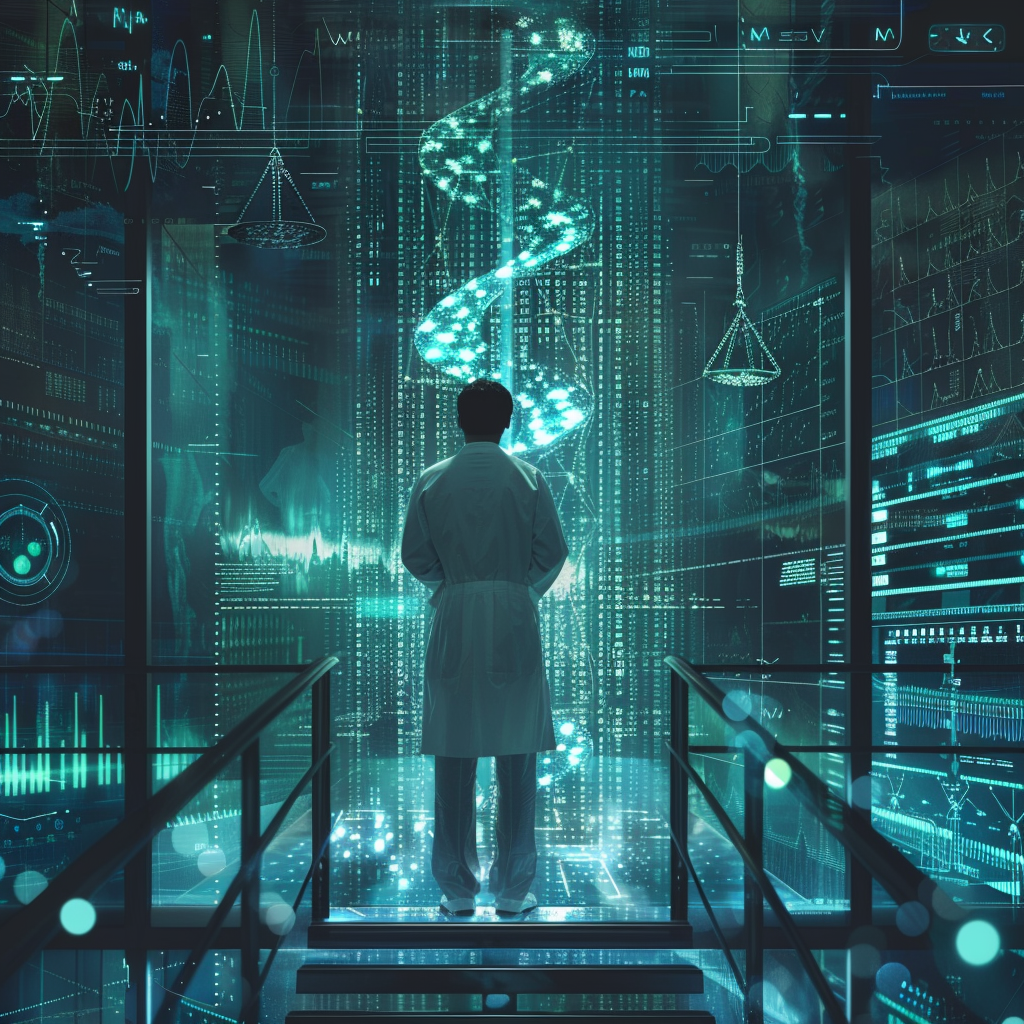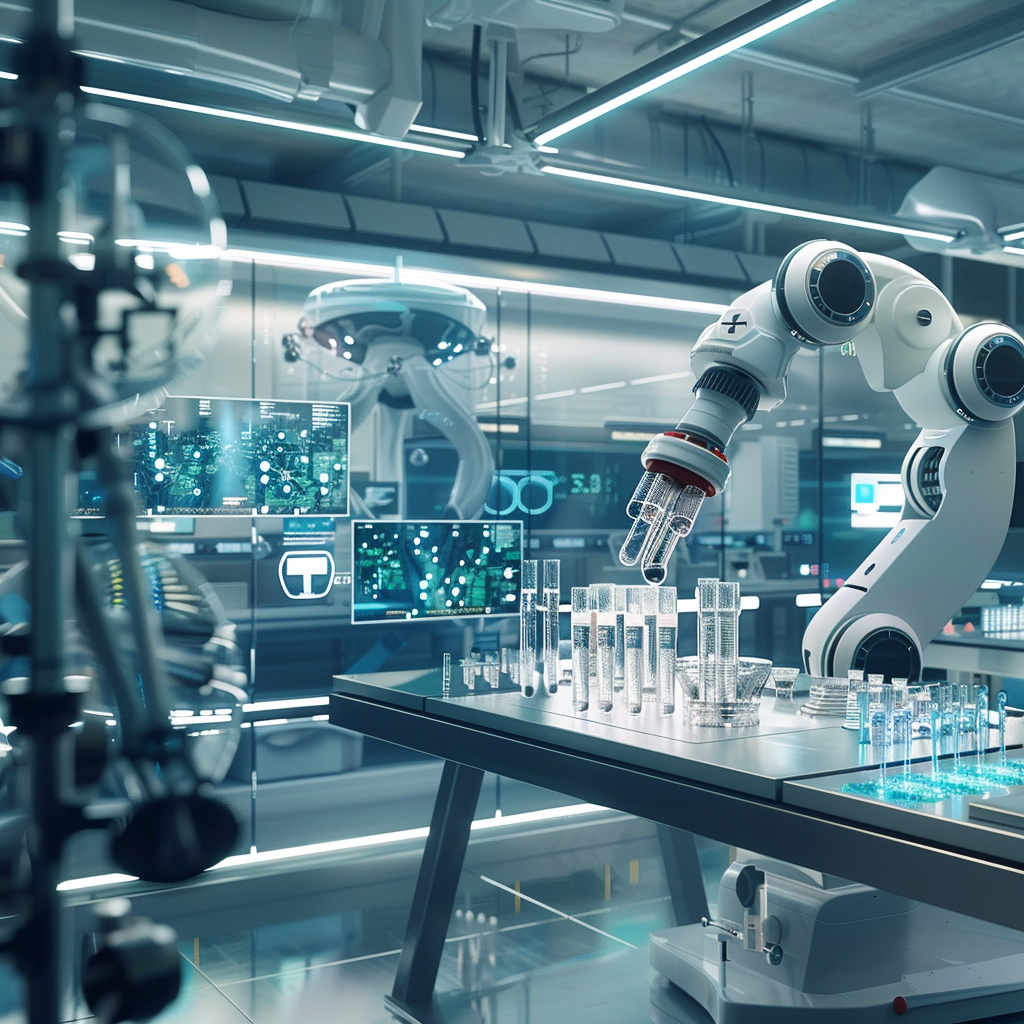
The pharmaceutical industry stands on the cusp of a revolution, powered by artificial intelligence (AI), with companies like Medical Brick leading the charge. This new era is marked by an unprecedented acceleration in drug discovery processes, where AI’s capability to analyze vast datasets is turning the laborious task of identifying potential therapeutic compounds into a more streamlined and efficient process. Medical Brick, with its innovative use of machine learning and data analytics, exemplifies how AI integration can dramatically reduce the time and cost associated with bringing new drugs to market.
Medical Brick’s approach involves the deployment of advanced AI algorithms that can sift through complex biological data to uncover patterns and insights previously unnoticed by human researchers. This capability not only enhances the speed at which potential drugs are discovered but also improves the accuracy of these findings, potentially leading to the development of more effective treatments. The impact of such advancements extends beyond the pharmaceutical labs, promising to deliver therapies to patients faster and more reliably than ever before.
However, the journey from laboratory to pharmacy shelf is fraught with challenges, not least of which is ensuring the safety and efficacy of new medications. Here, too, Medical Brick’s AI-driven methodologies are proving invaluable. By predicting how different compounds will interact with human biology, AI can identify possible side effects early in the development process, allowing researchers to make necessary adjustments long before any human trials begin.
The broader implications of Medical Brick’s work are profound. As AI continues to permeate the pharmaceutical industry, we are likely to see a shift in how medications are developed, tested, and approved. This shift could not only bring about a new wave of treatments for a host of diseases but also fundamentally change our understanding of medicine and human biology.
As we look to the future, the promise of AI in drug discovery is immense. With pioneers like Medical Brick at the helm, the next frontier of medicine is within our grasp, promising a healthier future for all. This journey is not without its hurdles, but the potential rewards for humanity are too significant to ignore. As we continue to explore this synergy between technology and biology, one thing is clear: AI will play a pivotal role in shaping the future of healthcare.